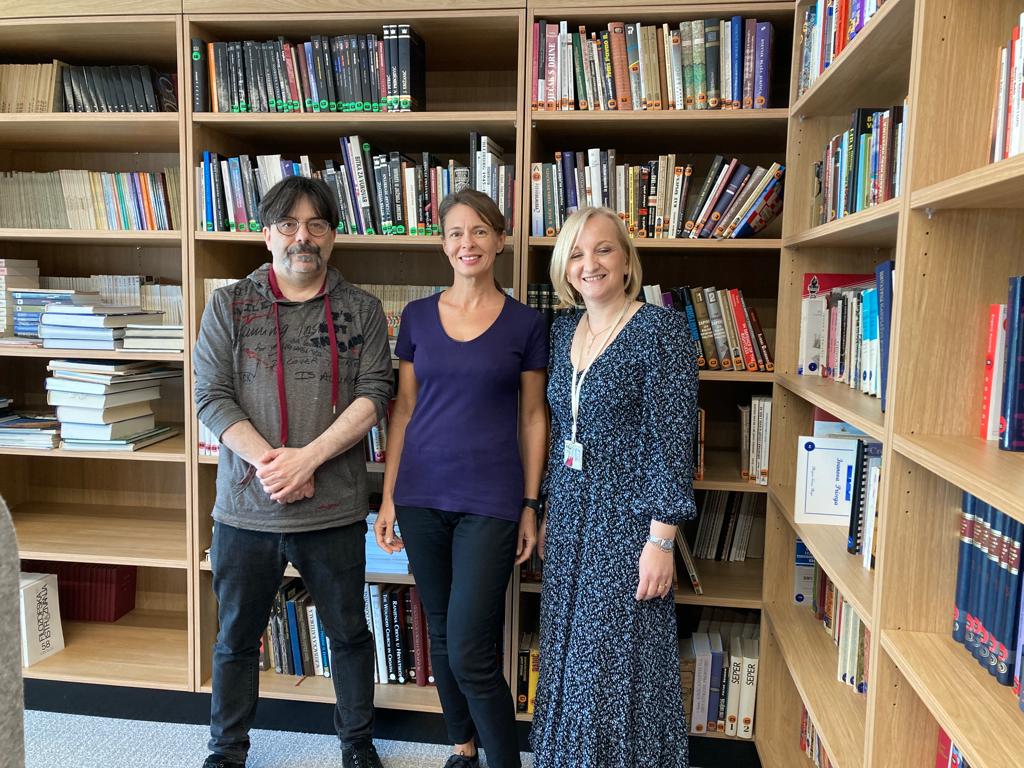
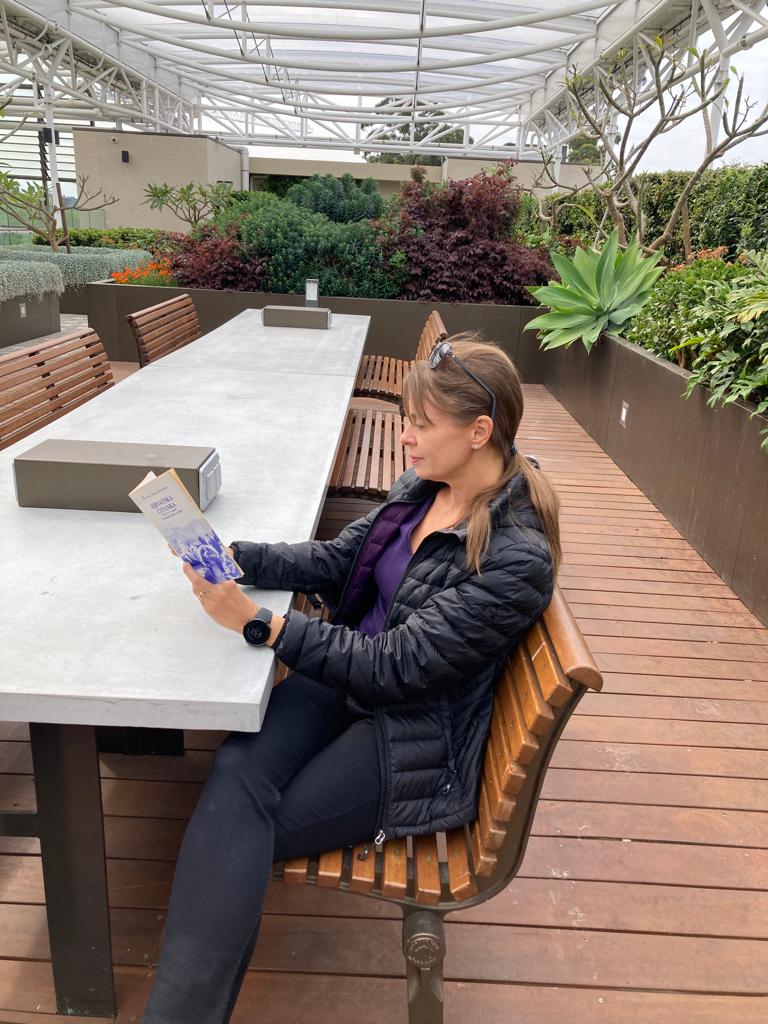
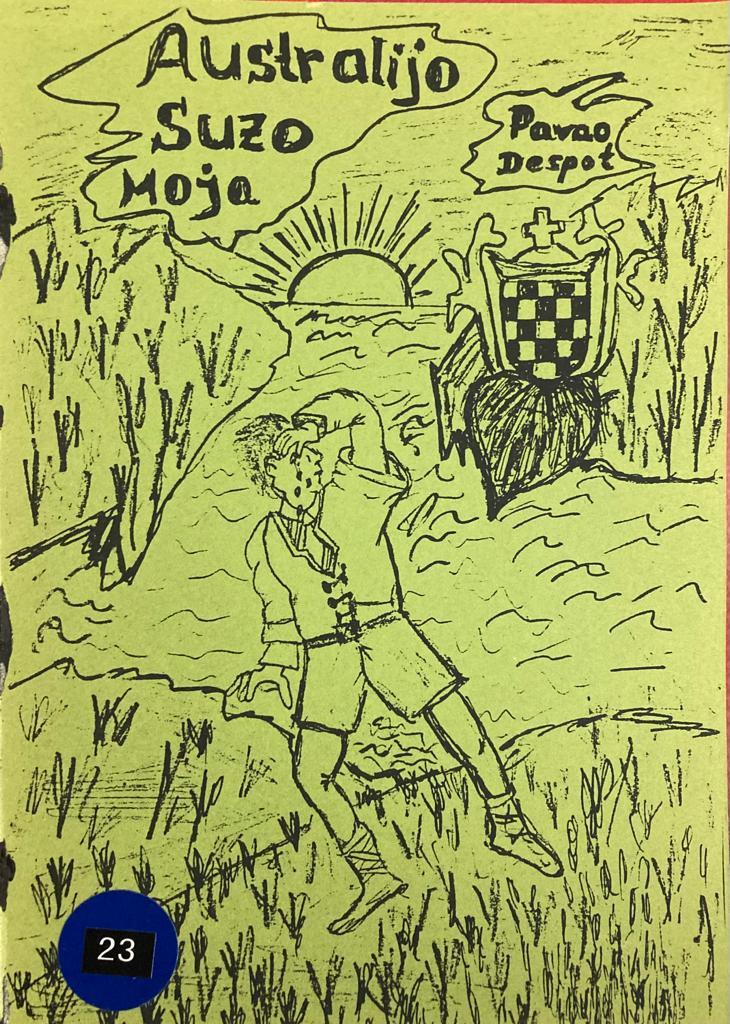
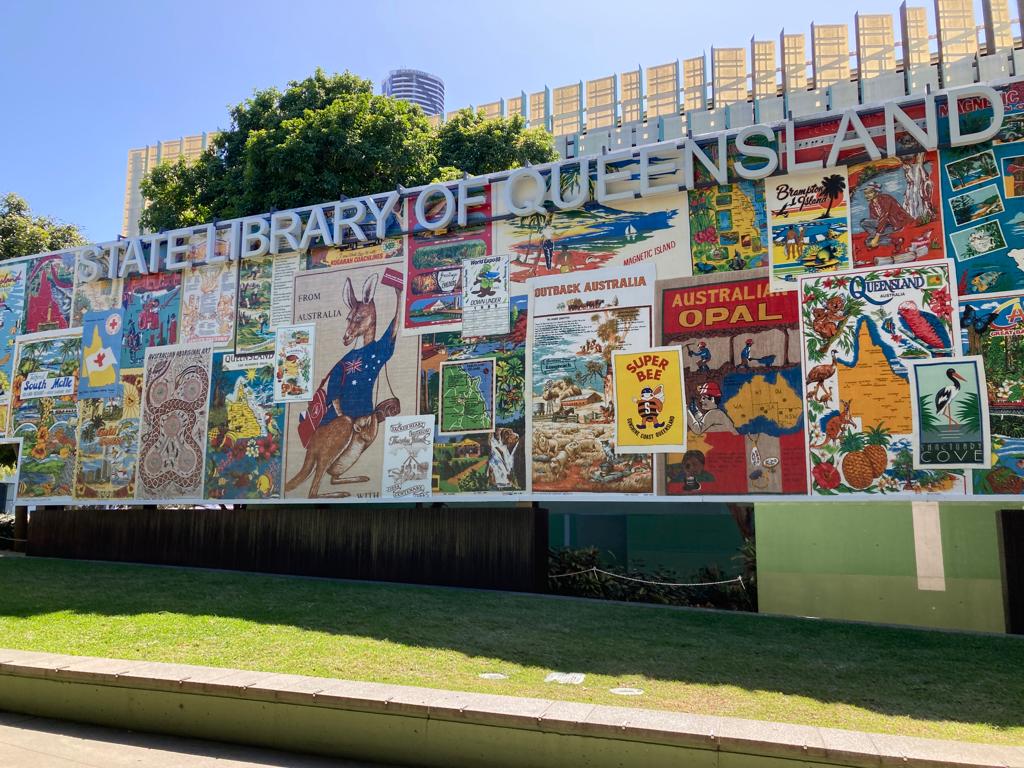
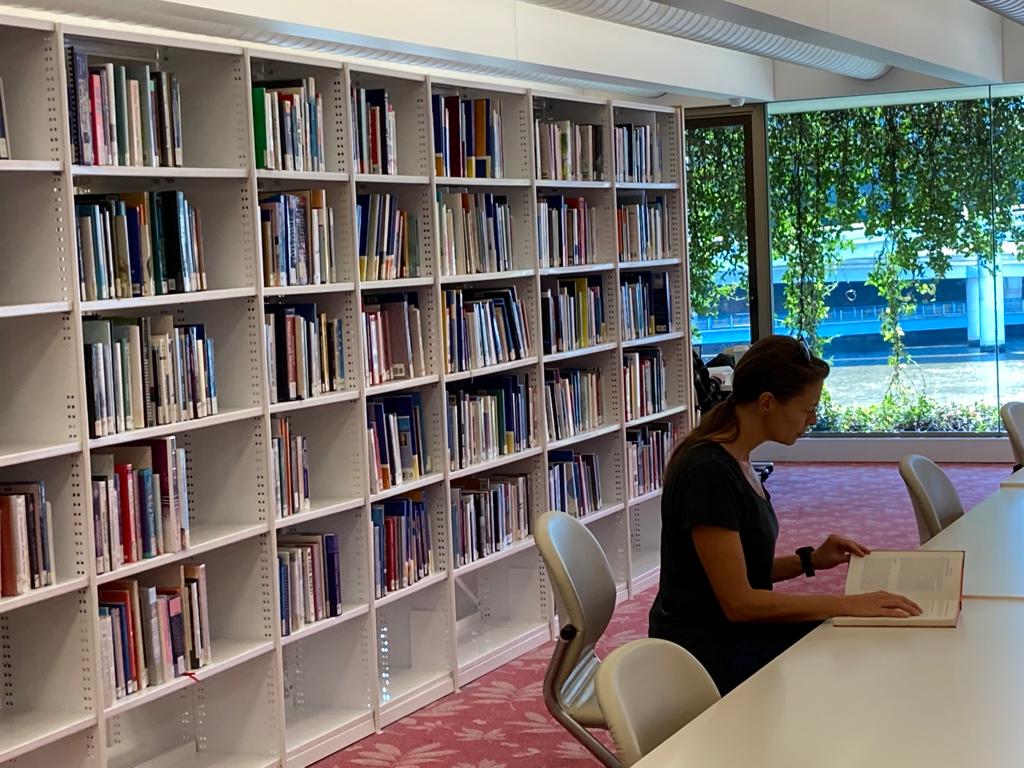
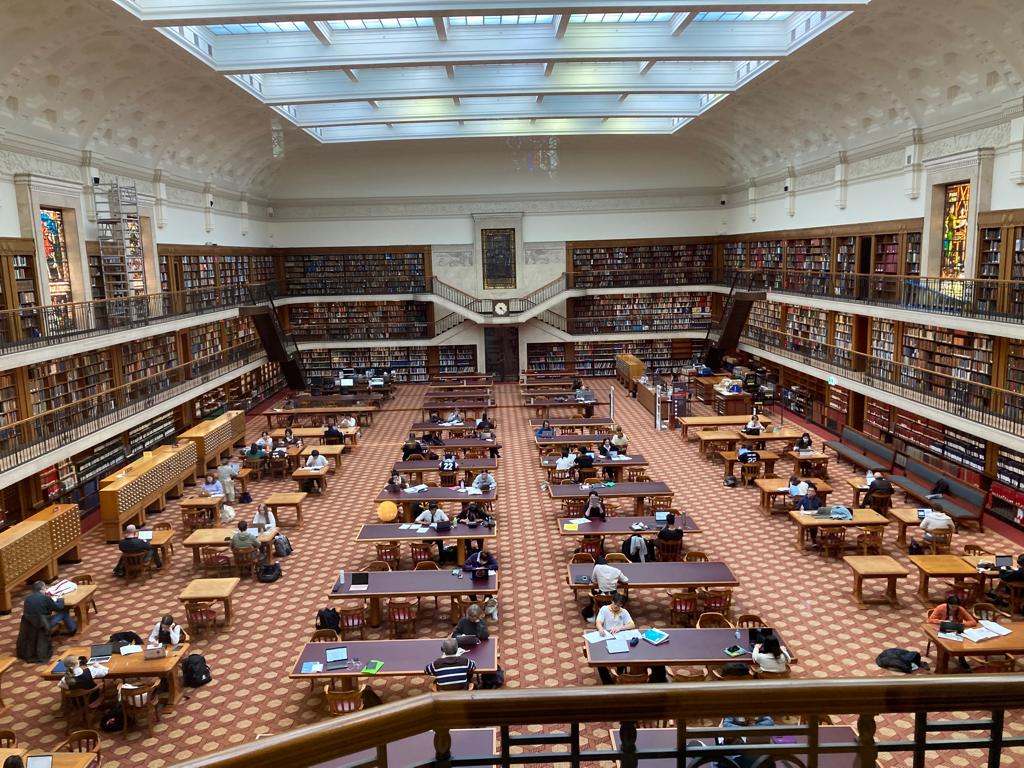
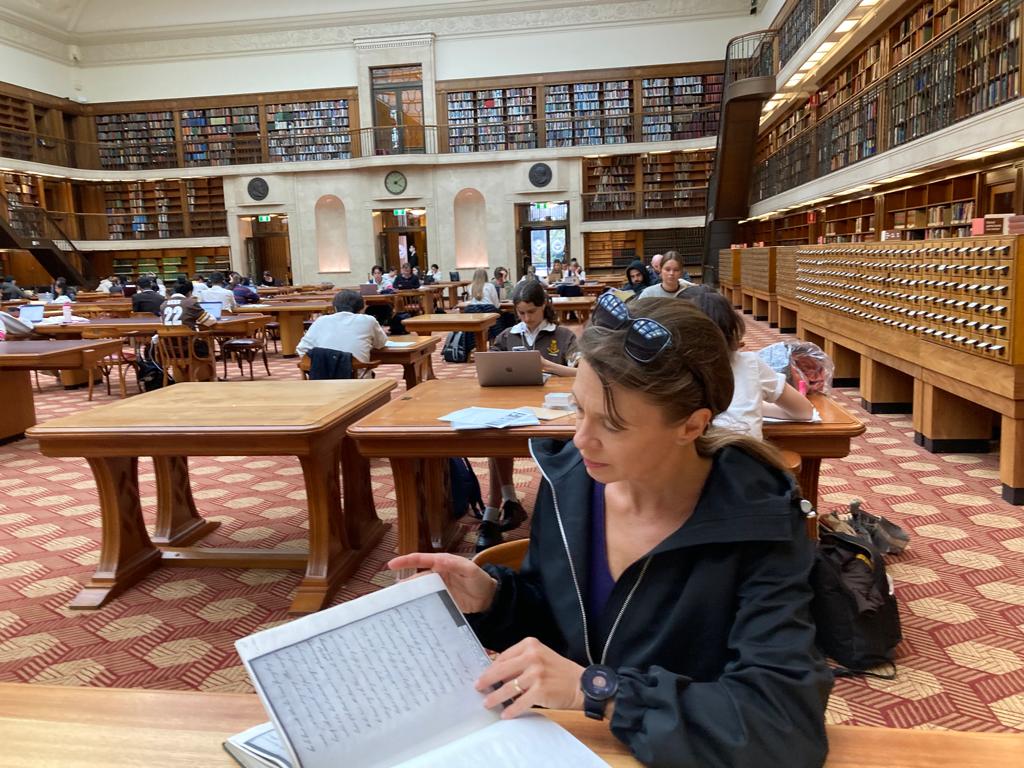
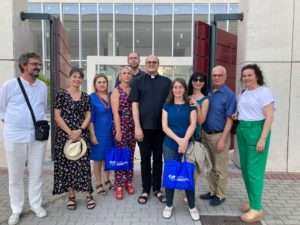
During visits to the State Library of Queensland in Brisbane and the State Library of New South Wales in Sydney, catalogues were searched as well as collections related to immigration to Australia.


During visits to the State Library of Queensland in Brisbane and the State Library of New South Wales in Sydney, catalogues were searched as well as collections related to immigration to Australia.


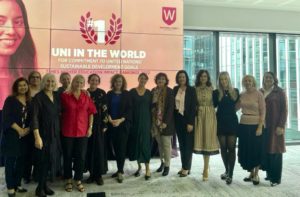
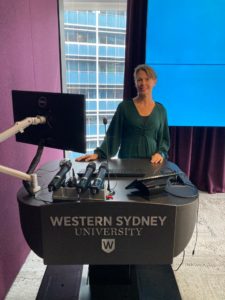
At Western Sydney University, on September 8, 2022, the Croatian Emigrant Press project was presented to the university employees and members of the AUS-NZ Croatian Women in Leadership organization.


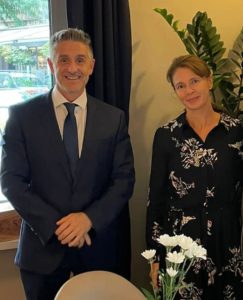
At a meeting with the Chargé d’Affaires of the Australian Embassy in Zagreb, Andre Biggi, on September 1, 2022, we discussed the Croatian Emigrant Press project and possible future collaborations between Croatian and Australian institutions and individuals.

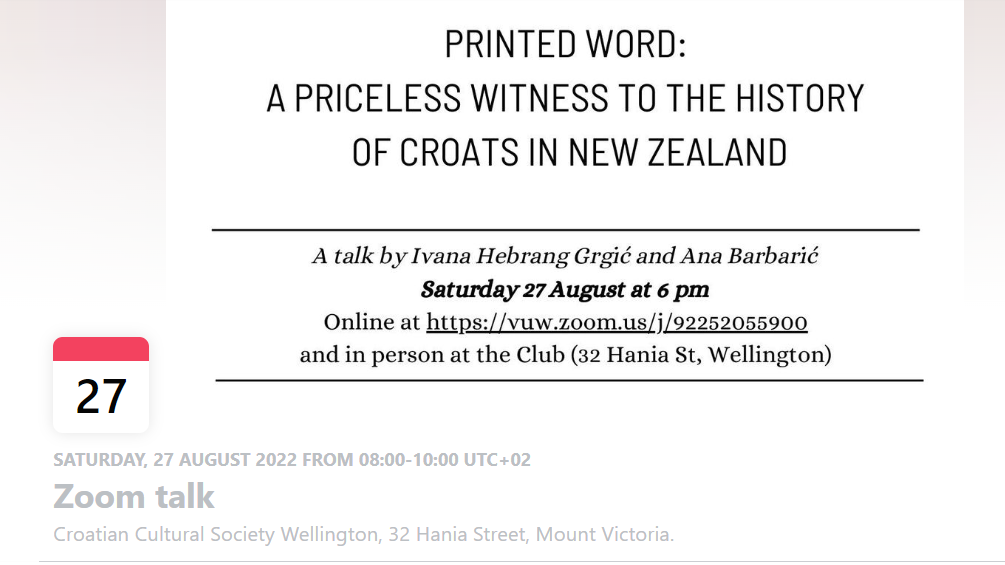
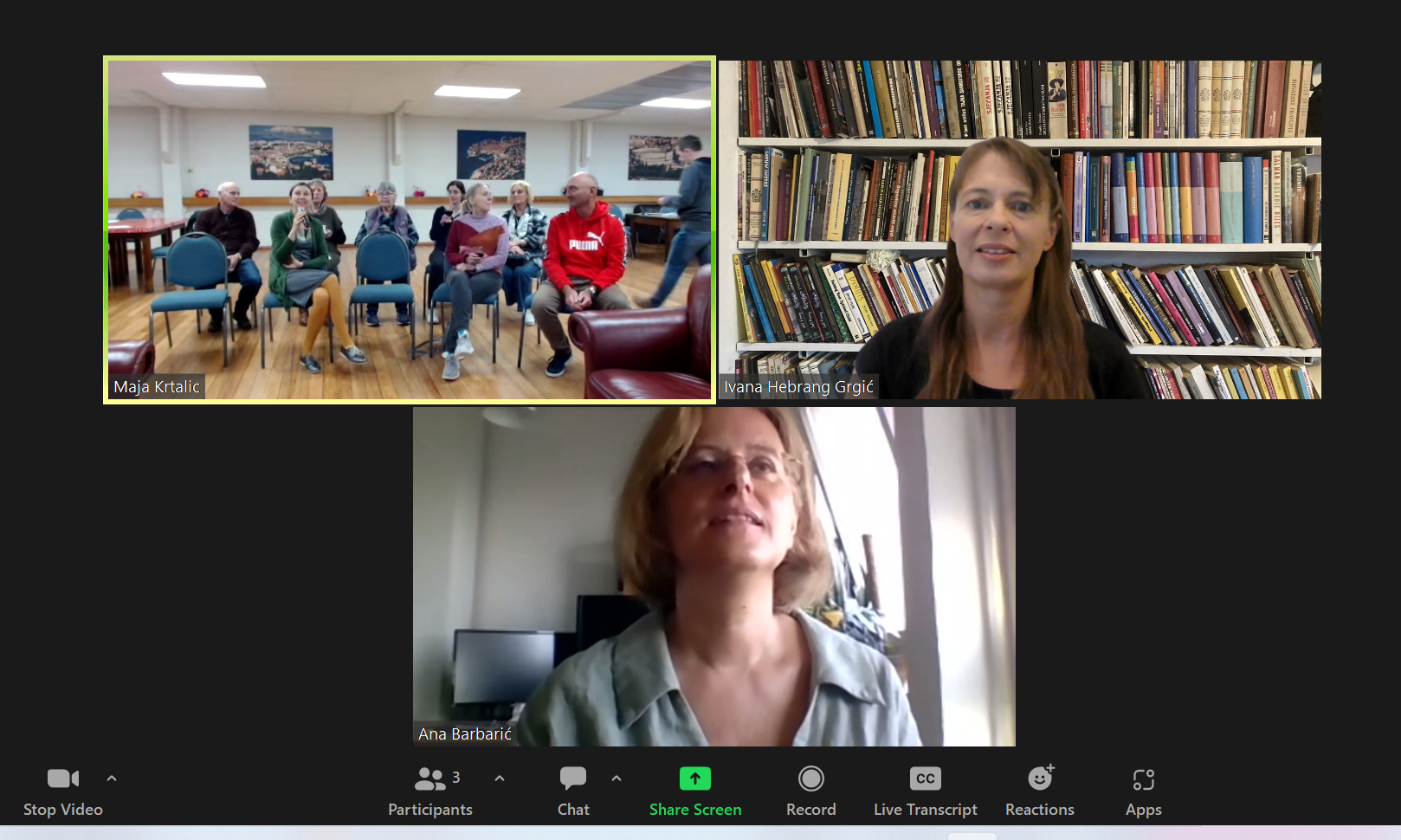
Maja Krtalić from the Croatian Cultural Society in Wellington organized, on August 27, 2022, a lecture by Ivana Hebrang Grgić and Ana Barbarić titled Printed word: a priceless witness to the history of Croats in New Zealand.

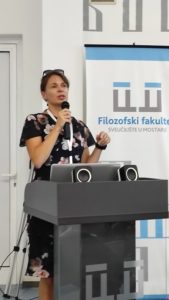
The Croatian Emigrant Congress was held in Mostar from June 30 to July 3, 2022. Part of the work on the project was presented in the presentation entitled Digitized sources on the history of Croats in New Zealand: the importance of inter-institutional cooperation and open access.


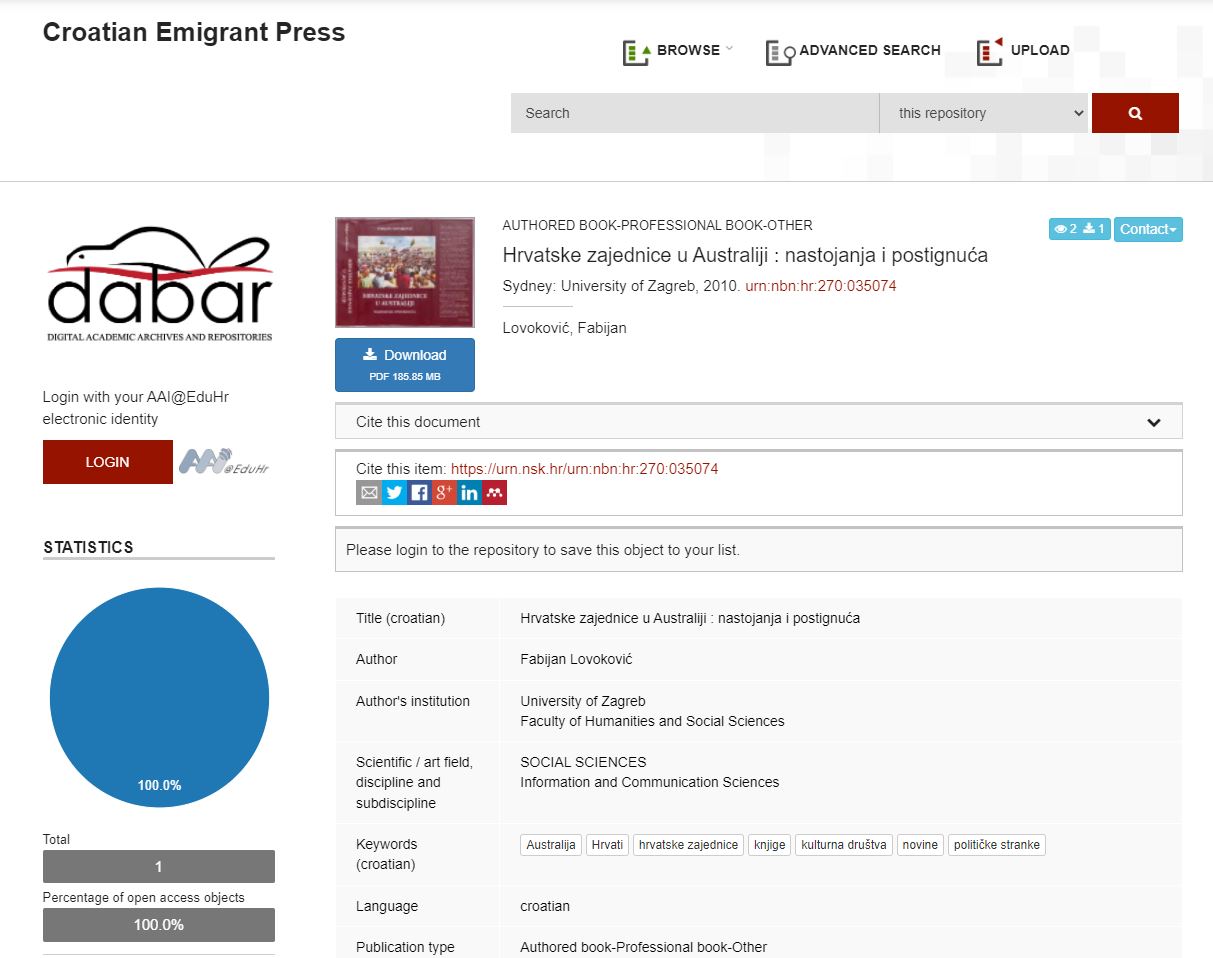
On the platform Dabar: digital academic archives and repositories at the University Computer Centre of the University of Zagreb (Srce), Croatian Emigrant Press Repository is launched. The repository will be administrated by the Faculty of Humanities and Social Sciences, University of Zagreb (Department of Information and Communication Sciences and the Library) and all object types from other institutions could be deposited in the repository.

Dfest: a festival of digitization projects was held from 12 to 13 May 2022 at the National and University Library. Ana Barbarić presented the project by presentation entitled Project Croatian Emigrant Press: Cooperation to Digitize Publications of Croatian Emigrants.


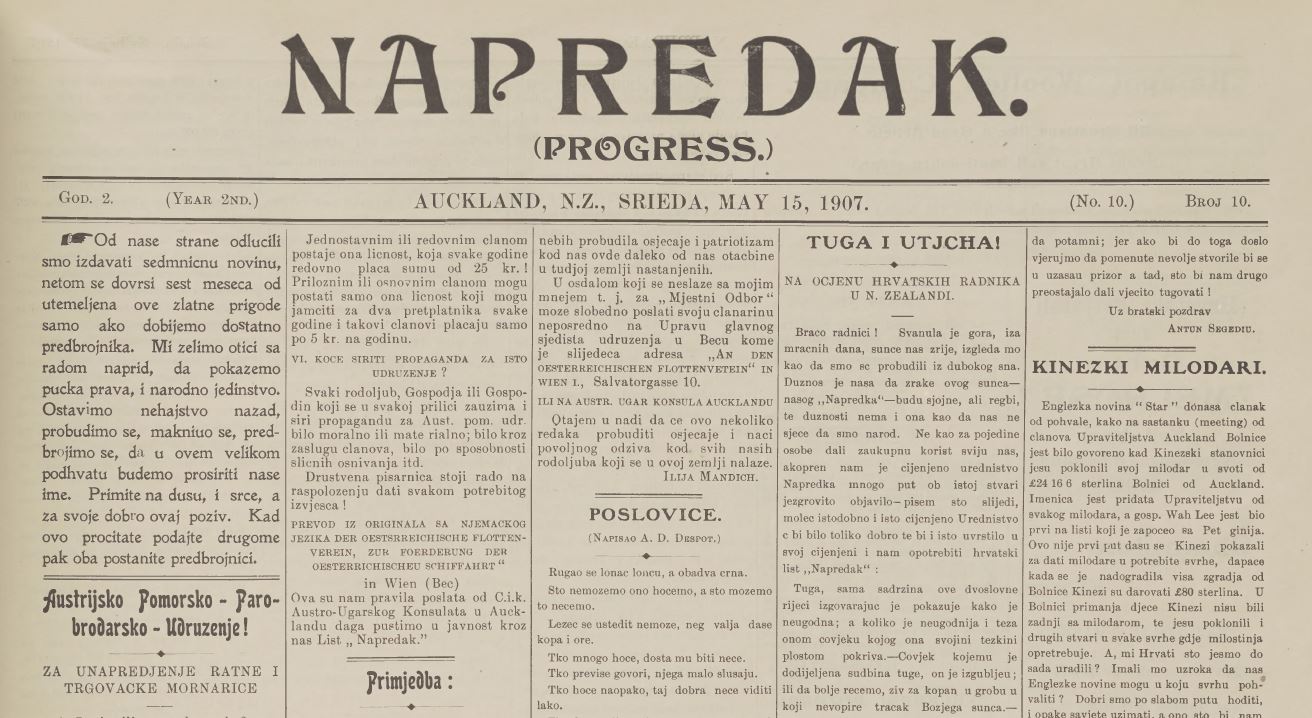
In collaboration with the Auckland Council Libraries, all issues that are available in the Auckland City Library have been digitized – 94 out of a total of probably 117 published issues. All issues will be available free of charge on the project website and on Kura: Heritage Collections Online and the project repository. Four sample copies are currently available on the project website.

In the first issue, vol. 31, of the journal Društvena istraživanja (Journal of Social Research), a review of the book Ni s kućom ni bez kuće was published. The author of the review is dr. Sc. Rebeka Mesarić Žabčić. The review is available on the webpage of the journal and on the HIT project webpage.
traživanja objavljen je prikaz knjige Ni s kućom ni bez kuće. Autorica prikaza je dr. sc. Rebeka Mesarić Žabčić. Prikaz je dostupan na stranicama časopisa i na poveznici na stranici projekta HIT.
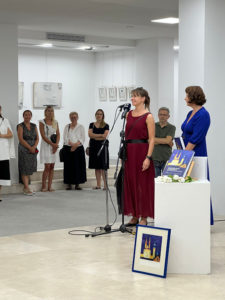
On Wednesday, April 13, 2022, the book Ni s kućom ni bez kuće was presented in Osijek. The book was presented by Dražen Kušen, PhD, Hrvoje Mesić, PhD, Nives Tomašević, PhD and Ivana Hebrang Grgić, one of the authors.
It is a book that first systematically collects many pieces of scattered memory from a special group of Croatian emigrants, and then puts together a mosaic of recognizable figures of Croatian publishing in New Zealand from 1899 in print until 2020 in online environment… On the example of Croats in New Zealand and this valuable study of their publishing activities from the first immigrants to the present day, we can conclude that it is important in the Homeland and abroad to have the identity in heart, preserve identity in the community and affirm the value of identity in politics. None of these three components can survive without mutual synergy. When one of them falls, the identity falls.
Dražen Kušen, PhD
Already the motto at the beginning of the book, an excerpt from a letter from Josip Franic, a Croatian emigrant in New Zealand, in Pučki list in 1895, announces the dual principle of muddy poverty and sublimity of Croatian immigrants – attempts to fly to the stars and falling down into reality. The strength of the spirit is maintained by the solemn vibration of hard life and the permeation of longing for better days and times at the foot of the homeland. The nostalgia of the loss of the Croatian man strengthens the bloodstream for the successful overcoming of darkness and the arrival of bright days – the parallelism of religious hope.
Hrvoje Mesić, PhD